
Four-stroke engine
Periodic Table
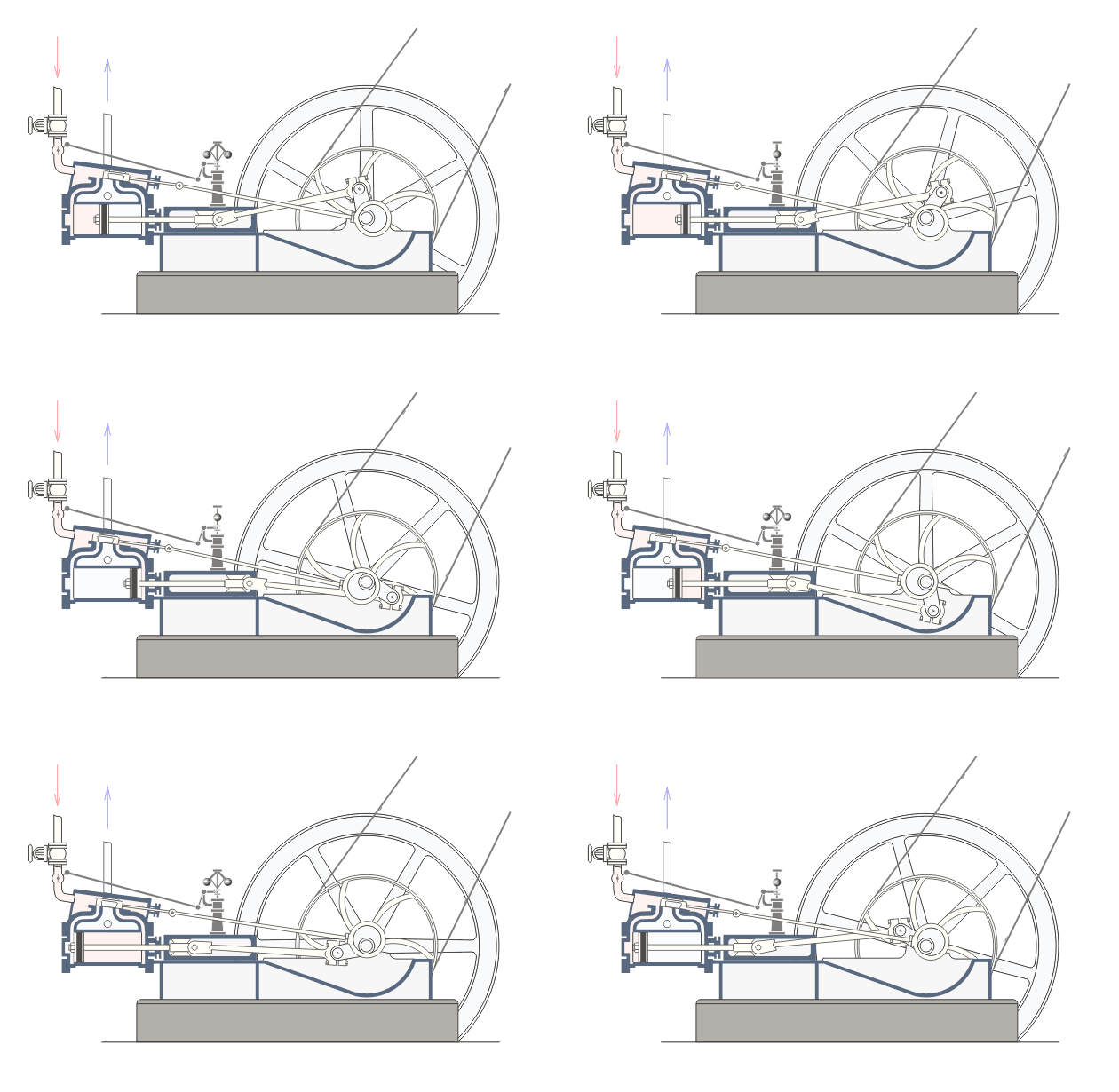
Double-acting stationary steam engine demonstrating conversion of reciprocating motion to rotary motion. The piston is on the left, and the crank is mounted on the flywheel axle on the right
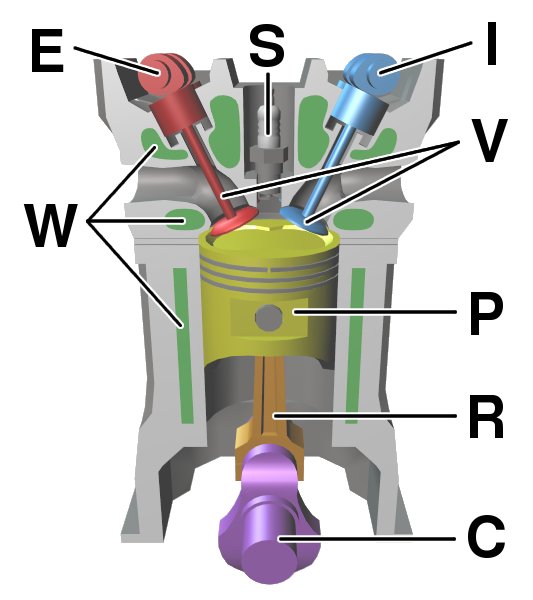
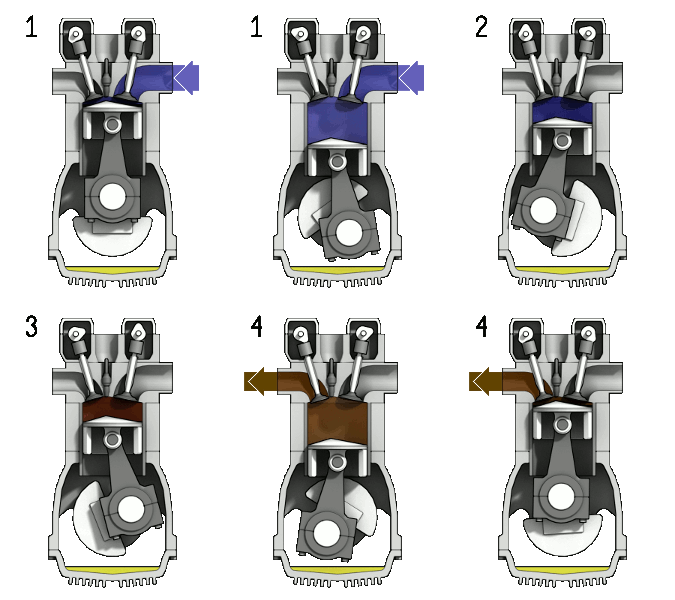
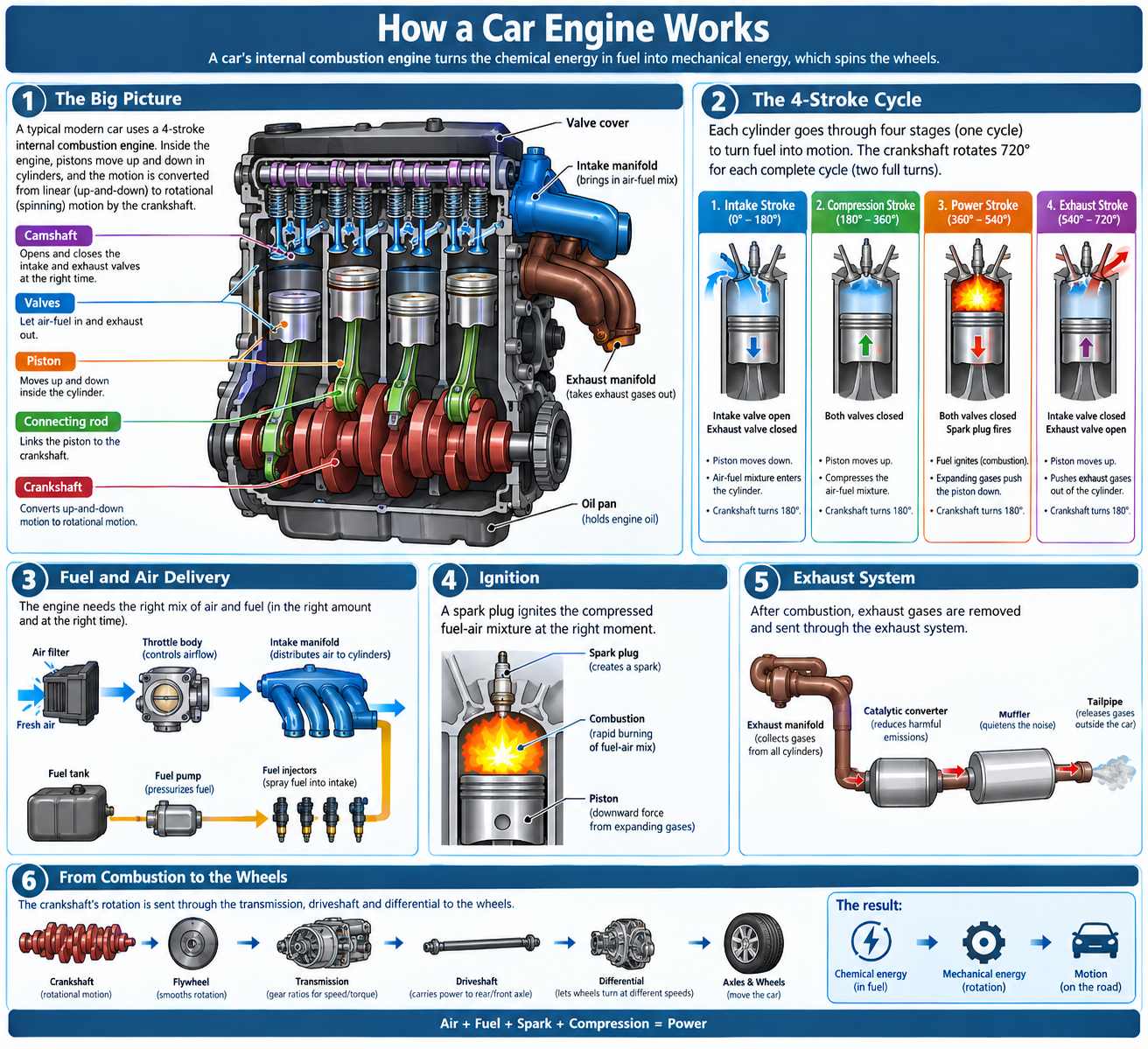
Diagram of a cylinder as found in an overhead cam 4 stroke gasoline engine: C – crankshaft E – exhaust camshaft I – inlet camshaft P – piston R – connecting rod S – spark plug V – valves. red: exhaust, blue: intake. W – cooling water jacket Gray structure – engine block
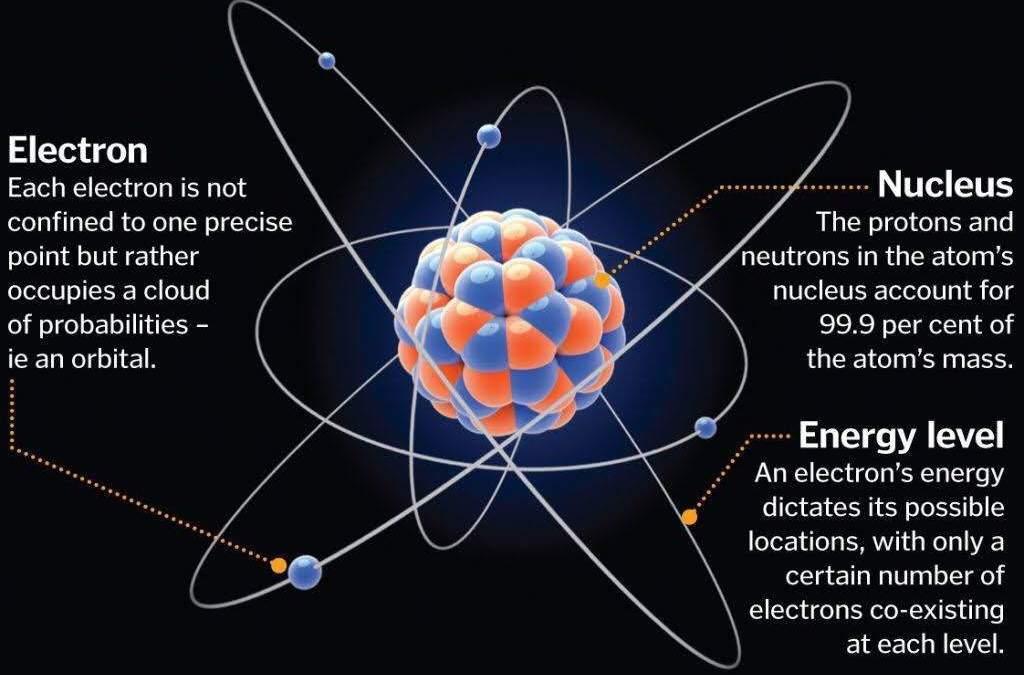
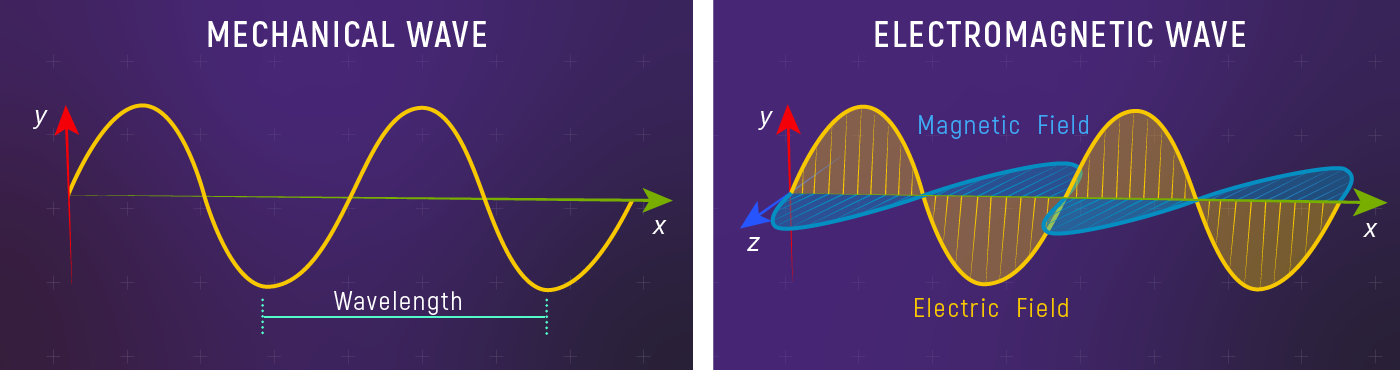
A mechanical wave, also called a matter wave, is a propagation of energy through matter.
The wavelength is the distance between two consecutive peaks (the highest
part of the wave). On this graph, the x-axis is distance and the y-axis
is the displacement of matter. Water waves, sound waves, and waves on a
rope are all examples of mechanical waves.
Light waves, also called electromagnetic waves, involve oscillations of electric and
magnetic fields rather than oscillations of matter. The wavelength is its
color. On this graph, the x-axis is distance; the y-axis is the strength
of the electric field; and the z-azis is the strength of the magnetic field.
Light waves include all forms of electromagnetic radiation: gamma rays,
X-rays, ultraviolet light, visible light, infrared light, microwaves, and
radio waves.